
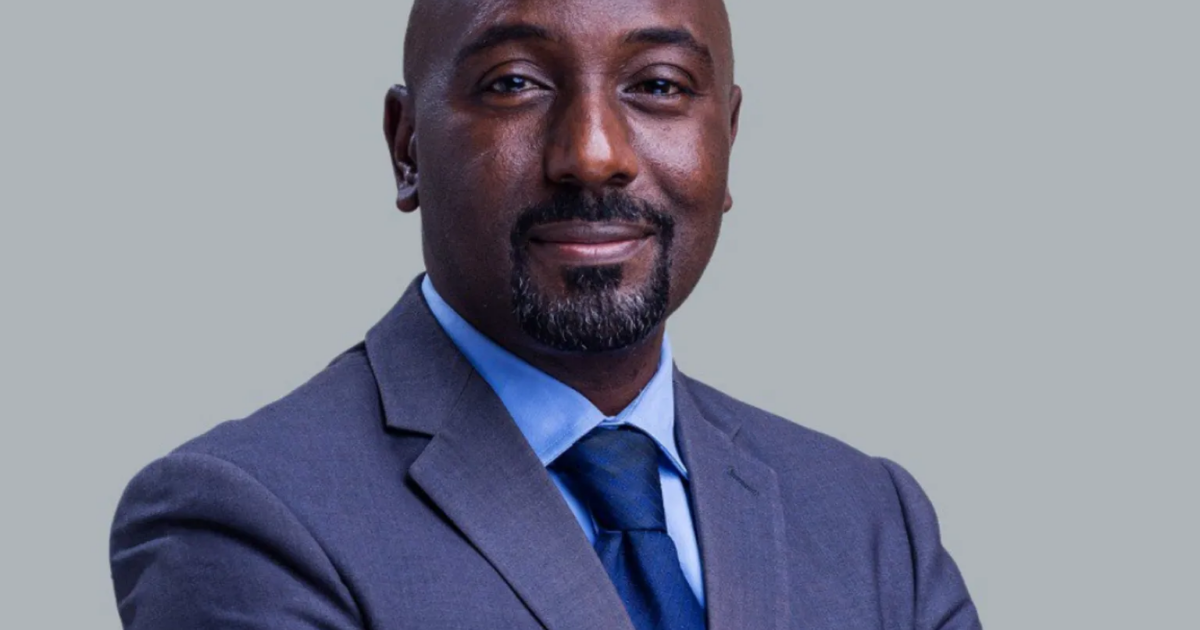
Ugandan broadcast journalist Edward Rukidi Kijanangoma steps into royal duty after the Tooro Kingdom selection committee chose him as crown prince on Wednesday. The news anchor works for the Uganda Broadcasting Corporation as an editor and broadcaster. He succeeds King Oyo Nyimba Kabamba Iguru Rukidi IV, who passed away last month at age 34 from cancer. The late monarch died on August 27 in the United States while receiving treatment. Tens of thousands of mourners are expected to attend his Saturday burial in Fort Portal near the Congo border. King Oyo was not married at the time of his death.
Legacy of the Boy King
King Oyo claimed global attention in 1995 when he took the throne at age three following his father’s death. Guinness World Records recognised him as the world’s youngest reigning monarch. Archival footage from his coronation shows a toddler playing with a toy as his small body nearly vanished beneath oversized royal robes and a heavy crown. Regents guided his reign until he turned 18, after which he served as a United Nations goodwill ambassador fighting HIV and AIDS. Nelson Mandela and Libyan leader Muammar Gaddafi both befriended the young monarch, with Gaddafi supporting the royal family for years before his own death in 2011.
Selection Controversy and Pushback
The council bypassed official claims regarding a direct heir. Ugandan President Yoweri Museveni asserted that Oyo left a young child born out of wedlock, and the kingdom’s prime minister, Calvin Armstrong Rwomiire, had previously announced the existence of an heir. Committee members instead opted for Kijanangoma to ensure stability, as traditionalists favoured an adult leader over another child on the throne. However, the appointment faces intense opposition. The late king’s sister strongly condemned the decision, with Ruth Komuntale voicing her frustration to local broadcaster NBS. “We are just very disappointed,” she said. “Honestly, to me it’s very dramatic, trying to bring division and turmoil.” She insisted that Oyo’s written will clearly identified his true successor.
Cultural Power Without Political Authority
Uganda contains five recognised traditional kingdoms shaped by the region’s early history under British colonial rule. Post-independence republican leaders later banned traditional institutions to unify the country before President Yoweri Museveni restored them in 1993. While these monarchies hold no formal political power and face legal restrictions barring them from partisan politics, they retain immense cultural and social influence as guardians of tribal heritage. Kijanangoma now faces the challenge of uniting a grieving kingdom amid brewing succession disputes ahead of his scheduled coronation this week.
Pan-African Implications for Heritage and Modernity
Across the continent, traditional institutions continue to navigate the delicate tension between ancestral customs and contemporary governance. From South Africa to Nigeria, heritage leadership structures frequently spark intense public debate over dynastic legitimacy, modernisation, and the enduring relevance of indigenous systems in modern African republics. Tooro’s ongoing succession friction mirrors broader continental discussions on preserving cultural heritage while maintaining institutional stability. Balancing modern governance with ancient customs remains the defining test for Tooro’s new leadership as the kingdom prepares to turn its page toward a contested future.
DISCLAIMER: The Views, Comments, Opinions, Contributions and Statements made by Readers and Contributors on this platform do not necessarily represent the views or policy of Multimedia Group Limited.
DISCLAIMER: The Views, Comments, Opinions, Contributions and Statements made by Readers and Contributors on this platform do not necessarily represent the views or policy of Multimedia Group Limited.
Source link