Wikimedia volunteers from five language communities in northern Ghana have been urged to pay close attention to how they communicate online, especially on social media, messaging platforms and community forums, as their work requires them to reach and engage wider public audiences.
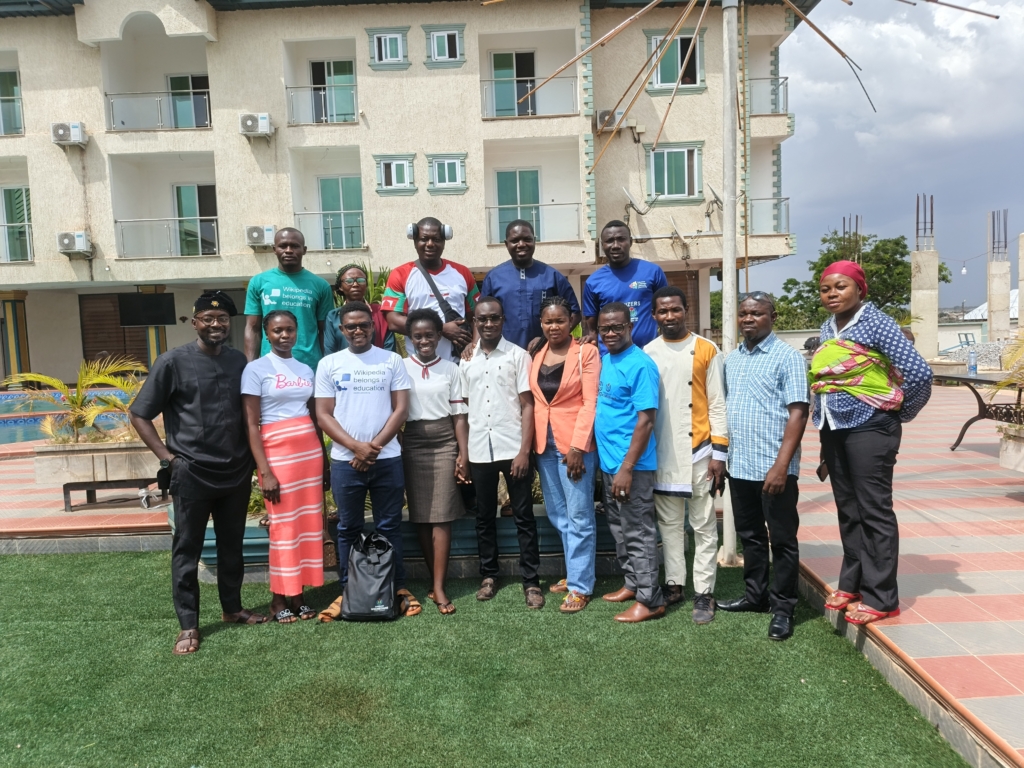
The advice was delivered during a capacity-building session in Wa organised by the Dagbani Wikimedians User Group (DWUG) for more than 20 team leaders drawn from the Kusaal, Gurene, Dagaare, Waali and Dagbani Wikimedians communities.
Facilitators emphasised that every message posted by a Wikimedian, whether a public post, write-up, or private response, shapes how the movement is understood by the public.
Speaking during the session, facilitator Abdul Rafiu Fuseini stressed that communication must always resonate with the people it is intended for.
He explained that Wikimedia work depends not only on sending information but also on how audiences interpret messages.
“Sending messages to someone and how they interpret them are very important in the work of Wikimedia,” he noted, adding that contributors should avoid shortcuts, excessive capital letters and unclear expressions that may distort meaning or appear unfriendly.
Participants said the session helped them rethink how they interact online. A member of the Gurene community, Felicia Amoramah Ayeti, admitted she previously believed writing in capital letters was simply a way to emphasize important issues.
“I used to think writing in caps meant putting more emphasis on an issue, but I just learnt it can express anger or show you are not happy,” she said.
Another participant from Dagbani, Rukaya Hamidu, said the workshop would influence how she communicates going forward, particularly because much Wikimedia work is done remotely.
“Most of our communications are remotely done and therefore it is important to pay attention,” she said.
Paula Daara from Dagaare also expressed confidence that the lessons would benefit the language communities and strengthen their collective progress.
Beyond communication skills, the workshop also included technical training on using the Mozilla Common Voice platform to help digitise Ghanaian languages.
Programme coordinator from Dagbani, Musah Fuseini, who led the session, explained that the Dagbani language is already available on the platform, making it important for other language communities to learn how to leverage the tool to record speech data and train more volunteers.
Executive Director of the Dagbani Wikimedia User Group, Sadik Shahadu, said the capacity-building workshop is essential for strengthening the five language communities in Northern Ghana.
According to him, the event is designed to improve the literacy and leadership skills of community members, including how to edit Wikimedia templates, manage projects and communicate professionally.
“It is to empower our volunteers and we have seen great impacts from these trainings,” he said.
He added that about 60 percent of the training focuses on soft skills such as project management and creating effective media communications for their communities.
The latest workshop marks the third time such a capacity-building workshop has been organised for the five language communities, reflecting continued efforts to strengthen local participation in Wikimedia projects and promote Ghanaian languages online.
DISCLAIMER: The Views, Comments, Opinions, Contributions and Statements made by Readers and Contributors on this platform do not necessarily represent the views or policy of Multimedia Group Limited.
DISCLAIMER: The Views, Comments, Opinions, Contributions and Statements made by Readers and Contributors on this platform do not necessarily represent the views or policy of Multimedia Group Limited.
Source link