
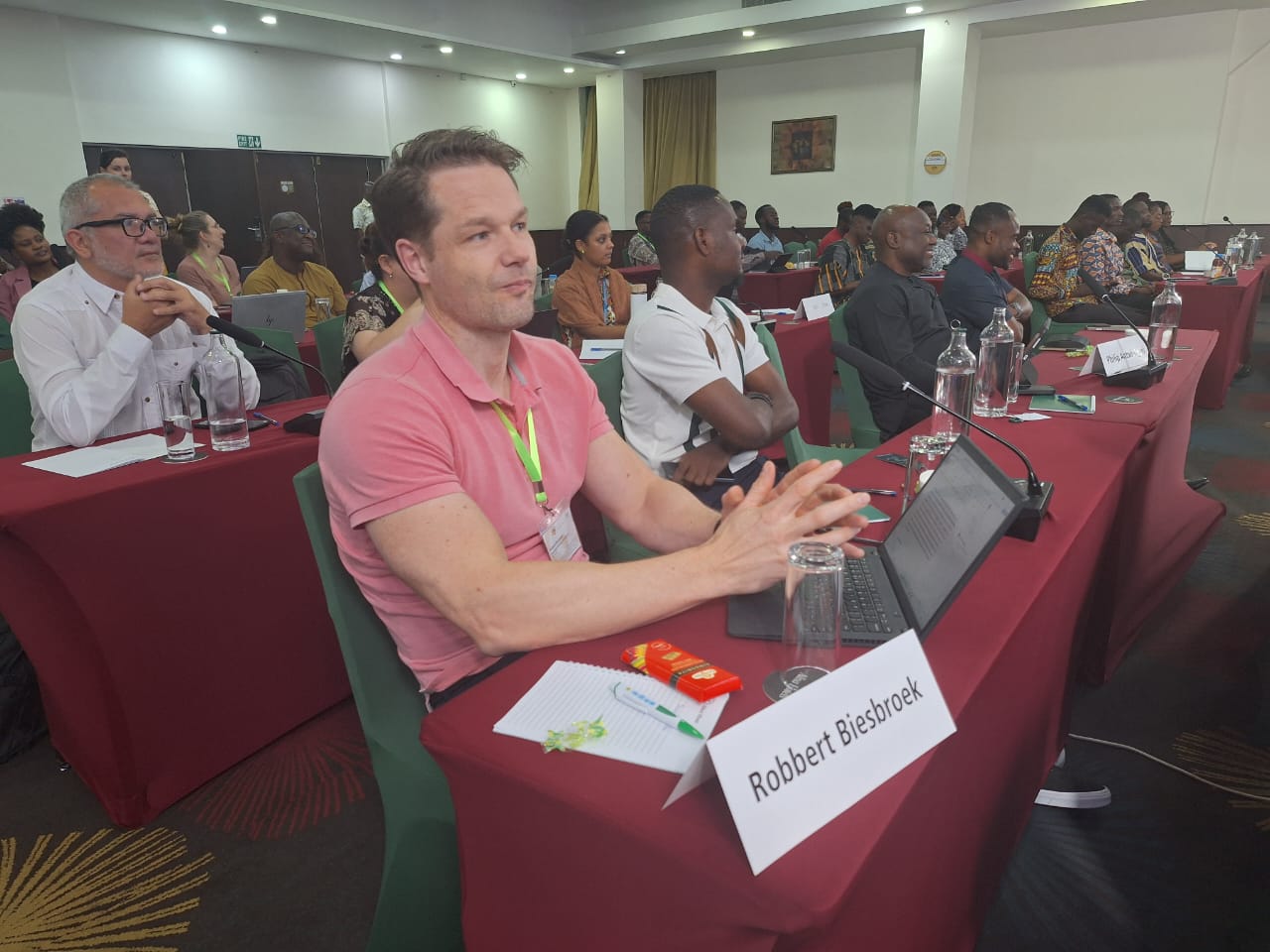
Ghana took centre stage in climate adaptation discussions when the Environmental Protection Agency and the United Nations University – Institute of Natural Resources in Africa (UNU-INRA) hosted an IPCC outreach meeting at the Alisa Hotel in Accra.
The event brought together government officials, academics, climate experts, and international development partners to explore how climate change strategies can focus on people’s lives and communities, not just infrastructure and projects.
At the heart of the meeting was a keynote presentation by the Director of the United Nations University- Institute of Natural Resources in Africa (UNU-INRA), Prof. Fatima Denton, titled “Adaptation: Whose Story Counts?”
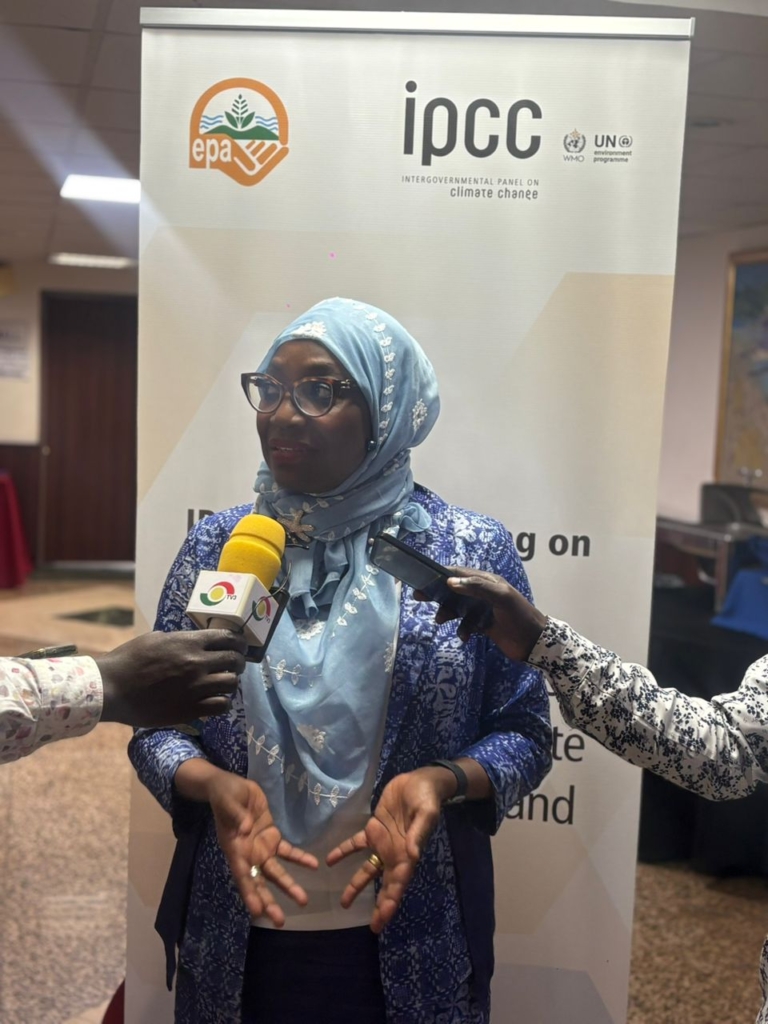
She explained that adaptation success is often measured by visible outputs such as flood barriers, drainage systems, or other infrastructure, while the real impact comes from improving people’s health, livelihoods, and daily resilience.
She urged that metrics should reflect the experiences of vulnerable communities, showing what works for ordinary households, not just what can be counted easily.
Prof. Denton highlighted that adaptation planning must consider health impacts, including heat stress, changing disease patterns, and strain on local health systems.
She emphasised that household coping strategies often disappear when aggregated into national or global indicators and called for adaptation measures that ensure justice for the most exposed groups.
She said adaptation is not neutral and must make people visible in how success is measured and funded.
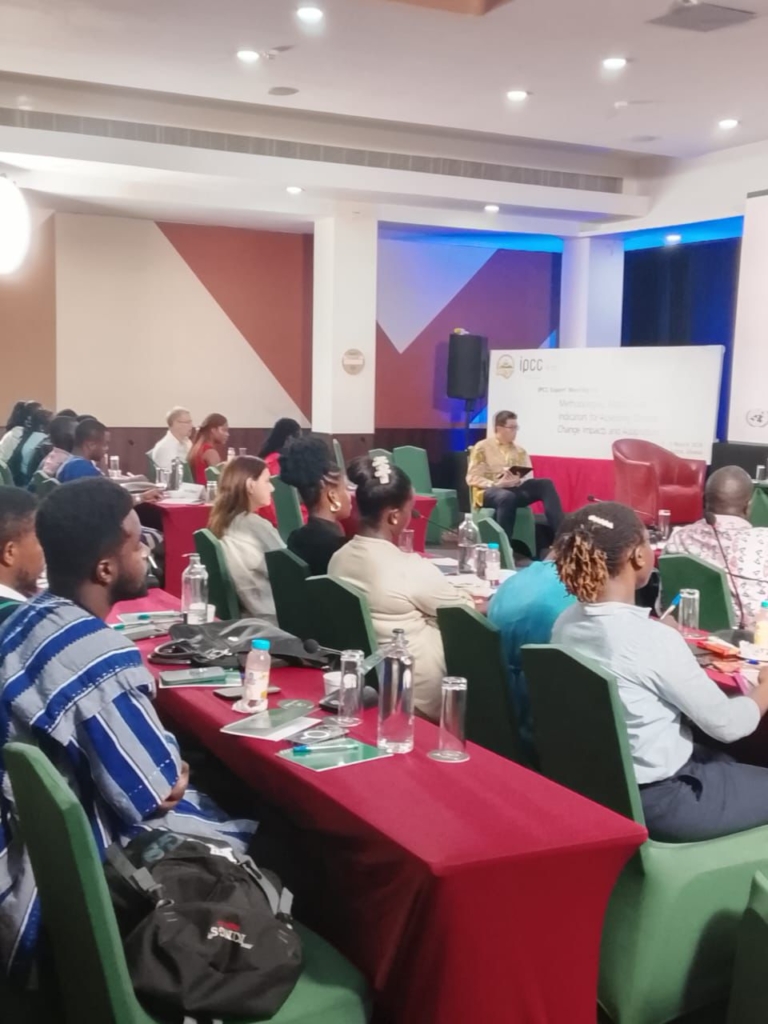
The outreach event also featured a panel discussion on how IPCC findings can inform national decision-making. Experts, including Dr Phillip Antwi from KNUST, Dr Nana Antwi Boasiako Amoah from EPA, among others, explored ways Ghana can design policies that use scientific evidence to support vulnerable communities.
The discussions showed that integrating human-centred metrics into adaptation strategies can guide finance, planning, and policy to deliver real benefits to the people who need them most.
The event demonstrated Ghana’s leadership in connecting global climate science with local realities, showing that the country is moving beyond counting projects to counting lives, health, and livelihoods.
Participants agreed that adaptation efforts that focus on people will not only improve outcomes for communities but also strengthen Ghana’s position as a model for climate action in West Africa.
DISCLAIMER: The Views, Comments, Opinions, Contributions and Statements made by Readers and Contributors on this platform do not necessarily represent the views or policy of Multimedia Group Limited.
DISCLAIMER: The Views, Comments, Opinions, Contributions and Statements made by Readers and Contributors on this platform do not necessarily represent the views or policy of Multimedia Group Limited.
Source link