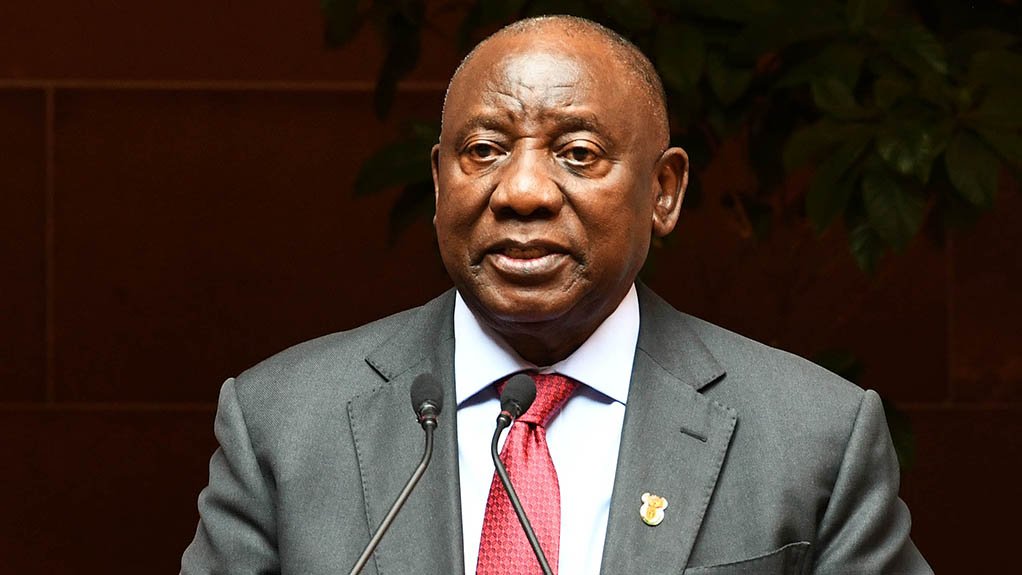
Facing a surge of anti-immigrant sentiment and mounting diplomatic friction across the continent, South African President Cyril Ramaphosa promised swift government action to address concerns over illegal migration while warning citizens against vigilantism.
The televised national address underscores growing anxiety in Africa’s most advanced economy. Grassroots anti-migrant groups have intensified pressure on the government, establishing a June 30 deadline for undocumented foreign nationals to leave the country.
Domestic Pressures and Shifting Policy
South Africa has long served as a regional hub, drawing millions of people from neighbouring nations like Zimbabwe, Mozambique, and Lesotho, as well as Nigeria, Ghana, Malawi, and Ethiopia. Current estimates place the undocumented migrant population between 2 million and 5 million within a nation of 62 million people.
Protest groups argue that undocumented workers worsen South Africa’s severe unemployment crisis and overwhelm fragile public health and education systems. Ramaphosa validated these systemic strains during his speech.
“Many South Africans are raising difficult but legitimate questions,” Ramaphosa said. “These concerns are real. They deserve to be heard, and they deserve to be addressed.”
The current coalition government, formed in 2024, has heavily prioritised border enforcement. Officials report deporting more than 100,000 undocumented individuals over the last two years. Furthermore, border authorities intercepted approximately 450,000 people attempting to enter the country without documentation over the past year.
Continental Backlash and Xenophobia Fears
The domestic crackdown has sparked sharp condemnation from neighbouring African governments, who report that their citizens face targeted violence and intimidation.
Mozambican officials stated this week that five of their citizens were killed in xenophobic attacks in the coastal town of Mossel Bay. Last month, Ghana repatriated roughly 300 citizens, citing safety threats, with plans to offer further evacuation options. Kenya and Nigeria have similarly raised alarms over the safety of their nationals.
The escalating rhetoric revives memories of past bloodshed. In 2008, a wave of xenophobic violence left more than 60 people dead, drawing widespread international condemnation.
Ghana Triggers Diplomatic Countermeasures
The fallout has caused immediate policy shifts in West Africa. On June 1, 2026, Ghana’s Ministry of Foreign Affairs issued an explicit travel advisory urging its citizens to refrain from non-essential travel to South Africa. The ministry cited injuries, property destruction, and the forced takeover of foreign-owned businesses by vigilante groups.
Accra has further escalated the dispute by requesting a formal debate regarding the safety of African nationals at the upcoming African Union (AU) Mid-Year Coordination Summit. Ghana’s government also summoned South Africa’s envoy to lodge official protests and stated that evacuations would continue for citizens trapped in volatile zones.
South Africa Defends Regional Stance
Pretoria has pushed back against accusations of state negligence, expressing dissatisfaction with how the crisis is being framed globally. South Africa’s Department of International Relations and Cooperation labelled Ghana’s push for an AU intervention “regrettable,” arguing that multilateral escalation risks sowing unnecessary division.
South African foreign officials maintain that law enforcement is working actively to quell sporadic violence. They emphasise that South Africa remains the largest host of African immigrants on the continent and has integrated millions of foreign nationals peacefully.
A Warning Against Vigilantism
While the president conceded that immigration management required reform, he issued a stern warning to extremist groups attempting to bypass law enforcement.
“Only authorised government officials can act against violations of our law,” Ramaphosa added, warning that some groups were “inciting” tensions.
Ramaphosa acknowledged past policy failures but urged the public to maintain social cohesion as the state implements stricter border controls. He admitted there had been “weaknesses” in the way South Africa previously managed migration and promised the government would take “decisive” action now, but he also appealed that people “not turn on each other” over the issue.
As the June 30 deadline approaches, the situation presents a critical test for South Africa’s leadership. The administration must find a way to stabilise internal economic anxieties and repair a porous immigration infrastructure. Simultaneously, it faces the delicate task of protecting foreign nationals and maintaining its foundational role as a cooperative diplomatic leader within the broader African continent.
DISCLAIMER: The Views, Comments, Opinions, Contributions and Statements made by Readers and Contributors on this platform do not necessarily represent the views or policy of Multimedia Group Limited.
DISCLAIMER: The Views, Comments, Opinions, Contributions and Statements made by Readers and Contributors on this platform do not necessarily represent the views or policy of Multimedia Group Limited.
Source link