
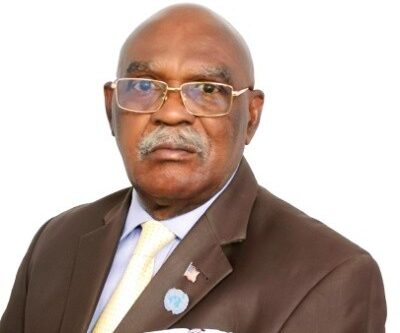
Amb. Prof. Dean Roberts Jnr
Amb. Prof. Dean Roberts Jnr has urged Africans at home and in the diaspora not to allow the legacy of slavery to continue dividing them, stressing that unity, reconciliation and a shared sense of identity are essential to the continent’s progress.
Speaking at the Ibiaku Clan Development Association family retreat at the Villa Hilton Hotel in Uyo, Akwa Ibom State, Nigeria, he said Africans must resist the divisions created by the transatlantic slave trade and work together to strengthen their communities.
The retreat was held on the theme: “Reclaiming Our Story – Ibiaku History, Identity and Heritage.”
Amb. Prof. Roberts, who is the Continental Vice President of UNPGC-USA, described himself as a survivor of history rather than a victim, saying the effects of slavery continue to shape African societies and diaspora communities.
He referred to the transatlantic slave trade as one of the gravest crimes committed against humanity and said its consequences went beyond the forced movement of millions of Africans.
According to him, slavery broke families, erased identities and weakened communities, leaving deep social and historical scars.
He said the strategy behind the slave trade was simple but destructive: divide people, weaken them and exploit them.
Amb. Prof. Roberts therefore called on Africans to see themselves as one people and avoid internal divisions that could continue to undermine development.
“Division destroys, but unity builds,” he said, warning that the effects of slavery could still be seen in poverty, land disputes, youth restiveness, cultism and other challenges confronting communities.
He argued that these modern problems could become new forms of bondage if African communities failed to pursue unity, reconciliation and the breaking of generational cycles of conflict.
Amb. Prof. Roberts also referred to Ghana’s push at the United Nations for international recognition of the trafficking and enslavement of Africans as a grave crime against humanity.
He said the initiative underscored the need for African countries and people of African descent to confront the historical impact of slavery while building stronger relationships across borders.
The retreat was also held in memory of the late Obong Elder Harry Etukudoh, whom Amb. Prof. Roberts described as a leader who chose to build his community despite the historical burdens inherited from slavery.
He also cited the examples of prominent African and civil rights leaders, including Dr Kwame Nkrumah, Nelson Mandela, Dr Nnamdi Azikiwe, Chief Obafemi Awolowo, Sir Ahmadu Bello and Rev. Dr Martin Luther King Jr, as figures whose lives demonstrated the importance of unity, courage and collective purpose.
In his closing remarks, Amb. Prof. Roberts pledged to use his international platforms to promote the identity and interests of Ibiaku.
He said stronger cooperation among traditional leaders, residents, members of the diaspora and the younger generation would help the community move from exporting its human potential to developing it for the benefit of its people.
He also expressed confidence that with committed leadership and collective support, Ibiaku could strengthen its identity, preserve its heritage and build a more united future.
DISCLAIMER: The Views, Comments, Opinions, Contributions and Statements made by Readers and Contributors on this platform do not necessarily represent the views or policy of Multimedia Group Limited.
DISCLAIMER: The Views, Comments, Opinions, Contributions and Statements made by Readers and Contributors on this platform do not necessarily represent the views or policy of Multimedia Group Limited.
Source link