
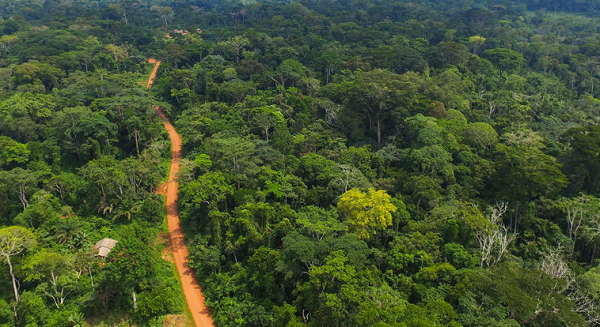
Across Africa’s biodiversity hotspots, forests continue to feed and support millions of rural people, but new research warns that these natural food systems are shrinking, along with the indigenous knowledge that sustains them.
The study, “assessing traditional and indigenous knowledge on forest and tree-based food species in biodiversity hotspots in Africa: conservation status, utilization and sustainable management practices,” commissioned by the African Forest Forum (AFF) and supported by the Swedish International Development Cooperation Agency, covers Benin, Ethiopia and South Africa. It finds that wild forest and tree-based foods remain essential for nutrition, income and resilience, but are increasingly under pressure from environmental and social change.
For many rural households, forests remain an informal but critical food system.
In Benin’s forest regions, communities depend on species such as bush mango, African locust bean and African star apple, used for food, medicine and income especially during periods of shortage.
In Ethiopia, pastoralist communities rely on a wide range of wild fruits and plants, many of them drought-resistant, which become essential during dry seasons when crops fail.
In South Africa’s forest areas, researchers documented more than 100 edible wild plant species. While not staple foods, they contribute important vitamins and minerals to rural diets.
Supply is declining
The research shows a consistent downward trend in the availability of forest foods across all three countries. The main drivers include deforestation, land conversion, overharvesting and climate stress.
In Benin, ageing trees are not being replaced, while expanding agriculture continues to reduce forest cover. Traditional harvesting systems are also weakening.
In Ethiopia, environmental degradation and drought have reduced the flow of wild foods into local markets.
In South Africa, forest fragmentation is severe, with most forest patches now small and isolated. Limited investment and weak value chains further constrain the use and commercialization of wild forest foods.
Despite these pressures, indigenous knowledge remains central to forest management.
In Benin, sacred forests, taboos and customary rules continue to regulate access and harvesting, with some areas co-managed by communities and local authorities.
In Ethiopia, elders and religious leaders enforce restrictions on tree cutting and resource use, helping to sustain forest cover in pastoral landscapes.
In South Africa, forest plants remain closely linked to cultural and spiritual life, though researchers warn that this knowledge is weakening among younger generations.
Policy progress, but implementation gaps
All three countries have introduced policies aimed at improving forest governance and supporting sustainable use of natural resources.
In Benin, agroforestry and community forest management initiatives are contributing to restoration and food security.
In Ethiopia, national frameworks exist but local implementation remains weak.
In South Africa, legislation supporting community participation and indigenous knowledge is relatively advanced, but challenges persist in enforcement, investment and developing viable markets for wild foods.
The study calls for stronger integration of indigenous knowledge with modern conservation and development strategies.
Key recommendations include forest restoration, support for community-based enterprises, improved processing and value chains, and stronger market systems for wild foods.
It also highlights the need to challenge negative perceptions of wild foods, which are often undervalued despite their nutritional importance.
DISCLAIMER: The Views, Comments, Opinions, Contributions and Statements made by Readers and Contributors on this platform do not necessarily represent the views or policy of Multimedia Group Limited.
DISCLAIMER: The Views, Comments, Opinions, Contributions and Statements made by Readers and Contributors on this platform do not necessarily represent the views or policy of Multimedia Group Limited.
Source link