
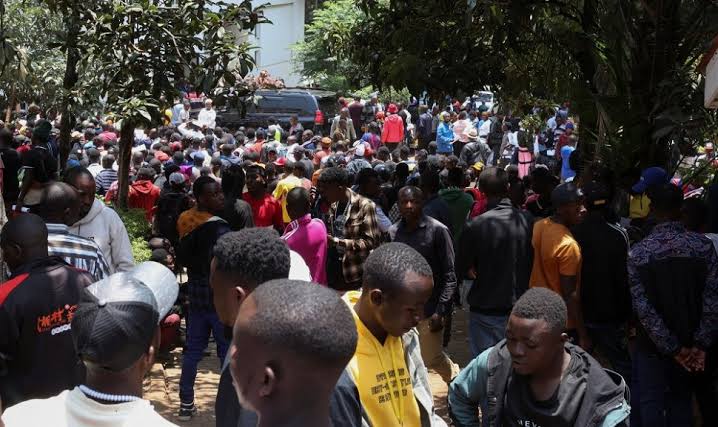
Hundreds of Burundian nationals are rushing to secure travel documents as Kenya faces an unfolding departure of migrant workers. President William Ruto established a strict deadline for unlicensed foreign traders to halt operations. The trade ministry cited widespread visa rule violations. Visitors entering as tourists or investors have allegedly engaged in unauthorised retail work.
The United Nations refugee agency estimates that about 16,000 Burundian refugees and asylum seekers reside in Kenya. It remains unverified how many individuals operate small-scale businesses or face direct displacement. Many families are carrying suitcases and mattresses toward transport hubs. Some migrants note financial constraints prevent them from affording immediate travel. Critics link the policy to similar measures implemented in Tanzania last year.
Diplomatic friction escalates across the region
Burundi reacted sharply to the enforcement measures. Foreign Affairs Minister Edouard Bizimana issued strong warnings via social media. He stated that “Kenyans in Burundi were living peacefully, but if the hate speech against Burundi continues, things will certainly change.” He further asserted that the “Kenya government is responsible for the lives of Burundians living in Kenya.” Bizimana convened an urgent meeting with representatives of the East African Community.
Kenyan delegates participated in those discussions. Bizimana urged the Kenyan ambassador to protect citizens from abuse. President Ruto defended the policy by arguing that legitimate investors should create jobs rather than compete with local hawkers. He remarked that it could not be “that a person comes from China or elsewhere to be a hawker or open a small shop.” Opponents label the policy populist and dangerous. Officials strongly reject allegations of stoking xenophobia.
Government clarifications and community responses
Kenyan authorities attempted to ease escalating tensions. Trade Minister Lee Kinyanjui emphasised the necessity of regulatory compliance. He noted that due to the high volume of foreign retail activity, authorities “need to align their activities and ensure compliance with work permit provisions.” Permanent Secretary Korir Sing’oei reiterated that legal compliance guarantees protection. He affirmed that “Burundian nationals and all East Africans – and Africans for that matter – are free to live in Kenya as long as they conduct their businesses or work according to the requirements of our laws.”
Foreign affairs representatives stressed that valid permits and licenses safeguard operations. Despite these assurances, anxiety persists among migrant communities. Alexis Ntinanirwa leads the Association of Burundians living in Kenya. He expressed deep dissatisfaction with the mandate during an interview with the BBC Great Lakes service. He cautioned that the dispute threatens broader diplomatic stability.
He warned that “this issue is not only going to cause problems for Burundians working in Kenya, but it is also going to cause problems in the region because there are also Kenyans doing these small jobs in our countries in Burundi, Tanzania and Uganda.” Ntinanirwa urged community members to exercise patience and avoid confrontations with law enforcement officers.
As East African trade blocs navigate the complex balance between national economic protectionism and regional integration, the ultimate outcome of these regulatory shifts will test the resilience of cross-border diplomacy and the practical limits of free movement agreements across the continent.
DISCLAIMER: The Views, Comments, Opinions, Contributions and Statements made by Readers and Contributors on this platform do not necessarily represent the views or policy of Multimedia Group Limited.
DISCLAIMER: The Views, Comments, Opinions, Contributions and Statements made by Readers and Contributors on this platform do not necessarily represent the views or policy of Multimedia Group Limited.
Source link