
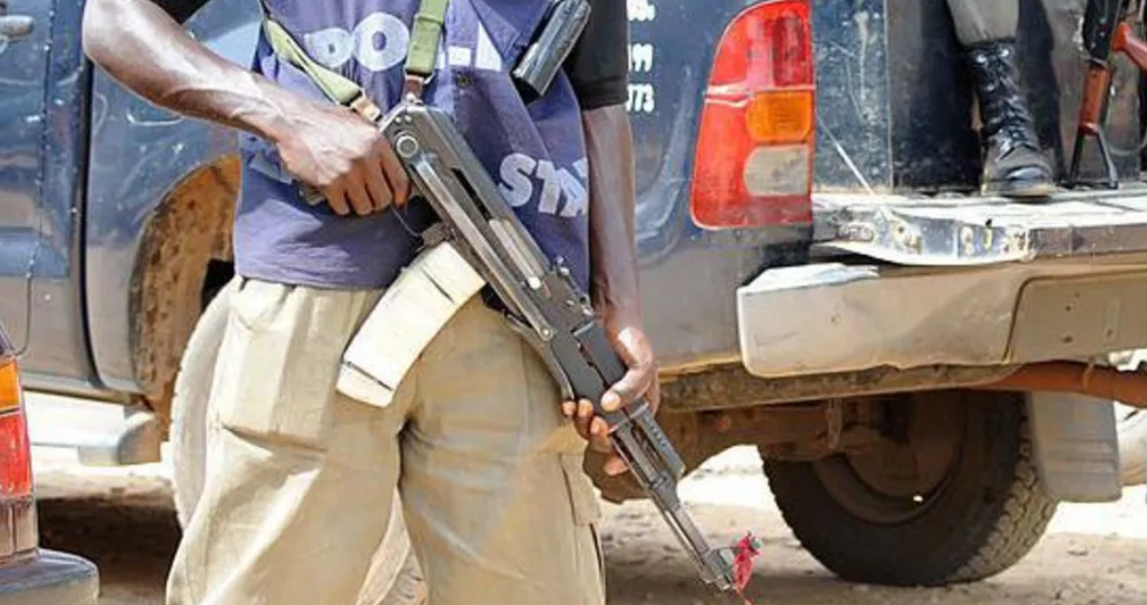
Gunmen stormed a secondary school in Nigeria’s Borno state on Monday morning, kidnapping students as they sat for national examinations. The attack occurred at the Technical Secondary School in the town of Lassa, located in the Askira-Uba area. Witnesses reported that gunmen fired sporadically upon entering the facility. The disruption forced an immediate suspension of the academic testing process.
Military Response and Rescue Operations
Security forces mobilised rapidly following the initial assault. Troops from Operation HADIN KAI engaged the attackers in a firefight near the DAGGU area. Military officials confirmed that ten victims, including students and teachers, were successfully rescued and remain unharmed. During the intense exchange, one soldier and a member of a local paramilitary support force were killed. Military spokesperson Captain Mohammed Goni stated that troops successfully outmaneuvered the fleeing terrorists, inflicting casualties and capturing seven motorcycles used by the assailants. Ongoing efforts are underway to locate any remaining missing individuals and bring the perpetrators to justice.
Challenges in Assessing Casualties
The exact number of students abducted remains uncertain as officials continue their efforts to account for all those present during the attack. Borno police spokesperson Nahum Kenneth Daso indicated that the situation remains fluid. “For now, we don’t have the number of how many students were abducted. We have about 10 victims who have been rescued,” Daso said. While the military reported the successful recovery of ten individuals, Amnesty International Nigeria provided a different account, claiming that two teachers and one student were killed during the raid. Security agencies are currently scouring nearby forests to track the attackers and ensure the safety of any remaining victims.
Persistent Insurgency in Northeast Nigeria
This incident highlights the ongoing security volatility within northeast Nigeria, a region that has served as the epicenter of a militant insurgency for over 15 years. Major groups, including Boko Haram and its splinter faction, the Islamic State West Africa Province, frequently operate in this territory. The United Nations reports that the broader regional conflict has resulted in thousands of deaths and the displacement of millions. Recent military activity has been intense, including a successful operation earlier this month that rescued 300 people from the town of Ngoshe. Additionally, joint operations with international partners recently led to the reported deaths of 175 ISWAP fighters in May.
Calls for Educational Security
The attack has drawn sharp condemnation from human rights organizations regarding the safety of academic environments. Amnesty International Nigeria issued a formal statement following the event, emphasizing the vulnerability of the region’s youth. “Schools should be places of safety, and no child should have to choose between their education and their life,” the group stated. They further urged the Nigerian government to prioritize the safety of the educational sector. “The protection of children’s lives is paramount, and the Nigerian government has a duty to ensure that the country’s educational sector is not further threatened by armed groups on rampage across northern Nigeria.” Security measures have since been reinforced across the Lassa area to prevent further incursions as officials work to stabilize the community.
The Wider Context of Security Threats
The recurring nature of these abductions underscores the severe security challenges facing Nigeria’s northern regions. Beyond the immediate impact on the victims and their families, these attacks disrupt the fundamental right to education and instill widespread fear in vulnerable communities. As federal and state authorities continue to coordinate responses, the persistent threat posed by militant factions serves as a stark reminder of the complexities involved in restoring long-term stability and ensuring that classrooms remain sanctuaries for learning rather than targets for conflict.
Regional Implications for West Africa
The crisis in Borno is part of a broader trend affecting West and Central Africa, where thousands of schools have closed due to violence. Beyond Nigeria, countries like Burkina Faso, Mali, and Niger face similar threats that dismantle local educational infrastructure and endanger millions of students. Regional bodies, including the Lake Chad Basin Commission and the Multinational Joint Task Force, are increasingly emphasizing that military solutions alone are insufficient. There is a growing consensus among regional policymakers that sustainable peace requires integrated strategies combining security operations with community-led development and psychosocial support for displaced children. This holistic approach remains critical to preventing a lost generation across the Sahelian belt.
DISCLAIMER: The Views, Comments, Opinions, Contributions and Statements made by Readers and Contributors on this platform do not necessarily represent the views or policy of Multimedia Group Limited.
DISCLAIMER: The Views, Comments, Opinions, Contributions and Statements made by Readers and Contributors on this platform do not necessarily represent the views or policy of Multimedia Group Limited.