
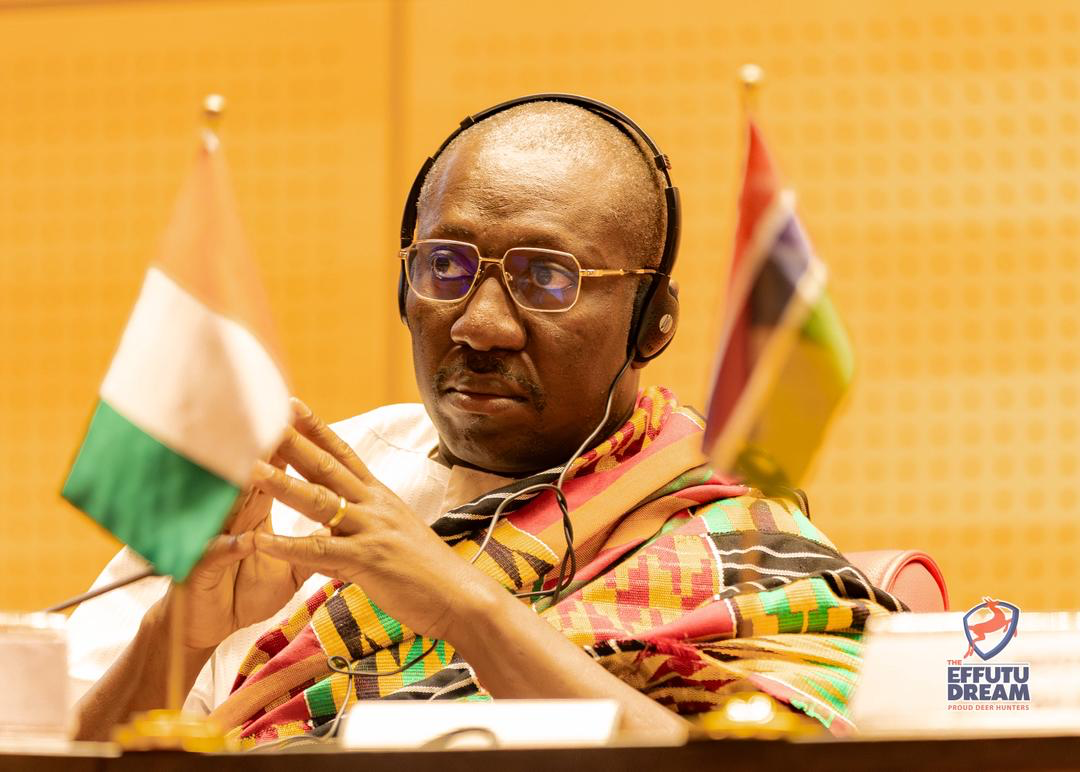
Minority Leader Alexander Afenyo-Markin has called for urgent regional action following deadly attacks on West African citizens in the Sahel, rising xenophobic violence in South Africa and persistent barriers to free movement across the bloc.
Speaking under Rule 71 of Parliament’s procedures, which allows statements on matters of public interest, the lawmaker, who is also a member of the ECOWAS Parliament, described the situation as “a moment of profound moral reckoning” for West Africa.
He urged both accountability abroad and reforms within the regional body.
Afenyo-Markin cited a February 14, 2026, attack in Titao in northern Burkina Faso, where Ghanaian tomato traders were ambushed by militants linked to Jama’at Nasr al-Islam wal Muslimin.
According to his account, the attackers separated the men from the women, executed the men and set their vehicle ablaze.
Several West African nationals were killed. Survivors were forced to bury the victims locally because insecurity prevented officials from reaching the area.
The victims, he said, were key actors in regional food supply chains and were later mourned at Techiman Central Market.
He warned that the attack exposed a bigger structural risk, noting that critical food trade routes pass through some of the world’s most dangerous conflict zones, particularly the Liptako-Gourma region.
He also raised concern over a major offensive in Mali on April 25, 2026, described as the largest since 2012. The attacks struck multiple cities and reportedly led to the killing of the country’s defence minister.
Ghana has since suspended the movement of traders along the Mali corridor due to security concerns.
Afenyo-Markin called on ECOWAS to establish a civilian protection framework for traders and workers operating in high-risk zones.
He also condemned growing xenophobic attacks in South Africa, where African migrants, including Ghanaians, Nigerians, Zimbabweans and Ethiopians, have reportedly faced violence, looting and displacement across several provinces.
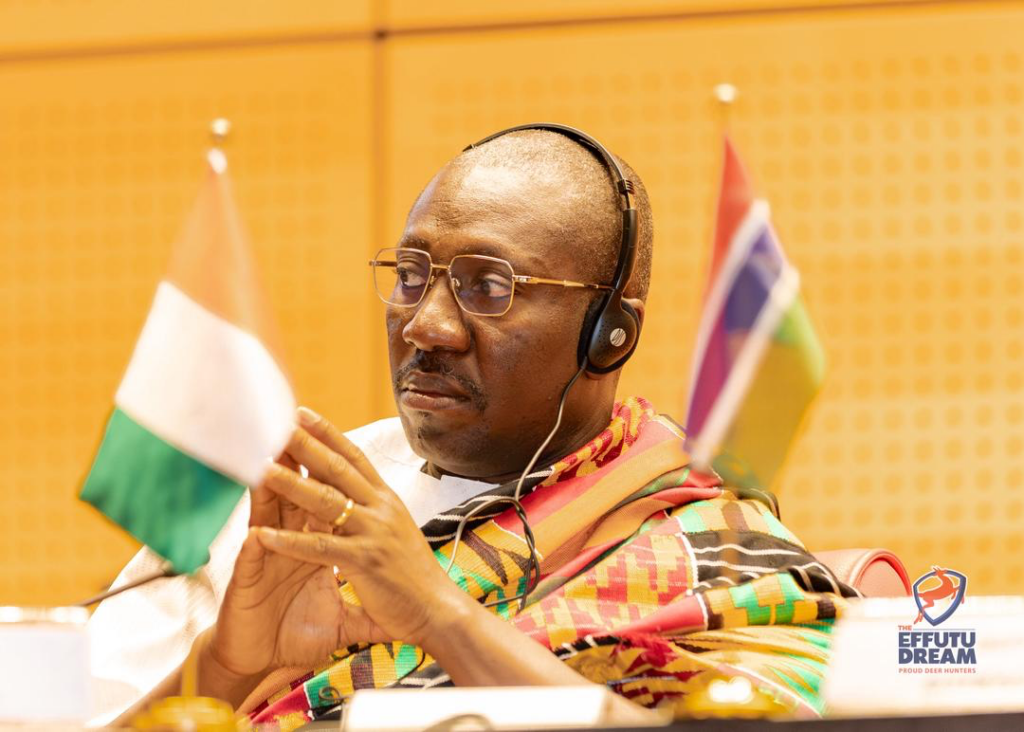
He noted that fatalities have been confirmed, including Nigerian nationals, while videos circulating online have shown assaults on foreign nationals.
Although he acknowledged comments by South African President Cyril Ramaphosa condemning xenophobia and calling for the rule of law, he argued that stronger action was needed.
“Words do not arrest perpetrators,” he said, calling for investigations, arrests and prosecutions.
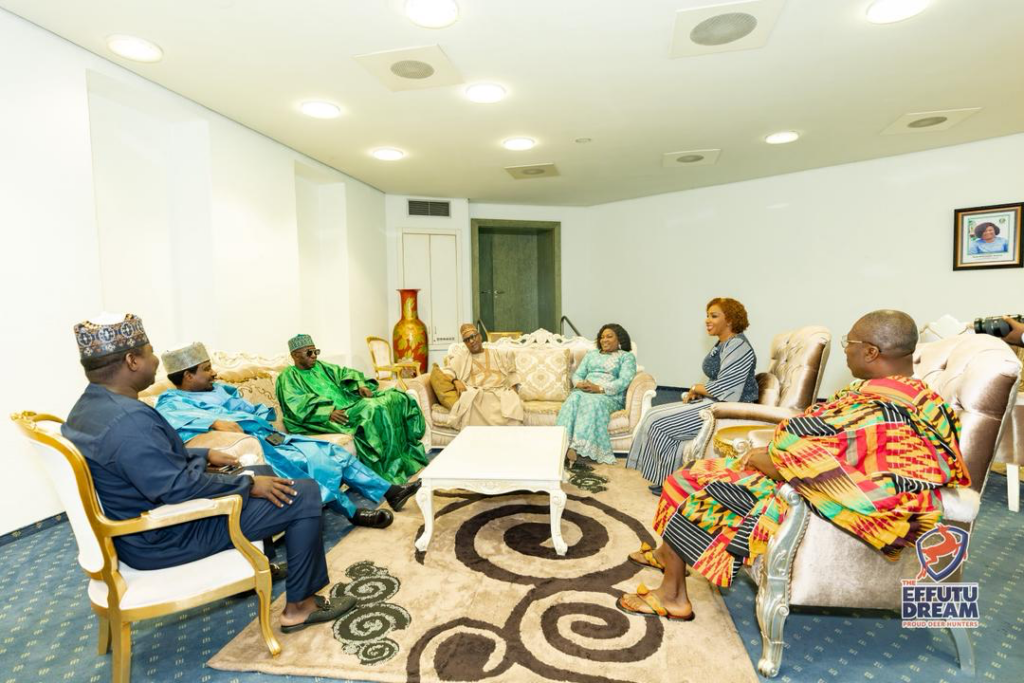
Turning to ECOWAS itself, Afenyo-Markin said the bloc has failed to fully implement its 1979 Protocol on Free Movement of Persons.
Despite visa-free travel provisions, he said, citizens still face harassment, extortion and illegal checkpoints across the region.
“These barriers amount to a de facto tax on poverty,” he said.
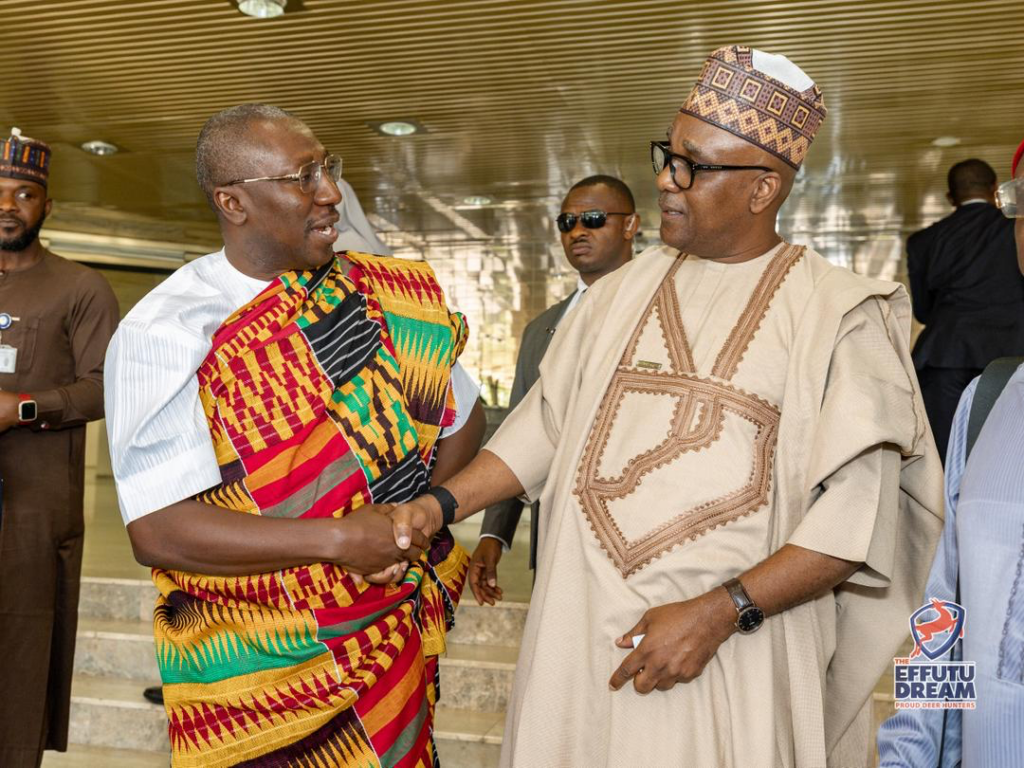
He also criticised the slow pace of ratifying the African Union Free Movement Protocol, adopted in 2018.
He described the contrast with the African Continental Free Trade Area as “incoherent”, arguing that trade integration cannot succeed without the free movement of people.
He urged Ghana, host of the AfCFTA Secretariat, to speed up ratification ahead of its previously stated 2027 target.
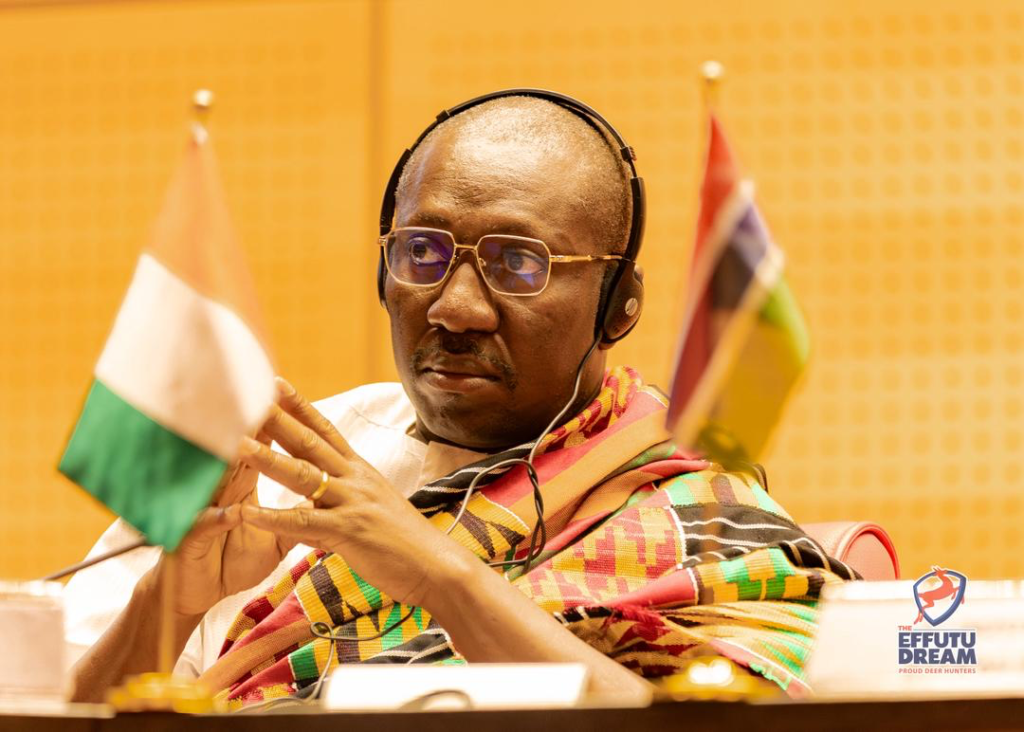
Afenyo-Markin proposed a five-point plan, including a special committee on the safety of ECOWAS citizens abroad, faster ratification of the AU protocol, action against illegal checkpoints, a formal statement to South African authorities and a regional agricultural resilience strategy.
“The safety of our people must never be a matter open to negotiation,” he said.
DISCLAIMER: The Views, Comments, Opinions, Contributions and Statements made by Readers and Contributors on this platform do not necessarily represent the views or policy of Multimedia Group Limited.
DISCLAIMER: The Views, Comments, Opinions, Contributions and Statements made by Readers and Contributors on this platform do not necessarily represent the views or policy of Multimedia Group Limited.
Source link