
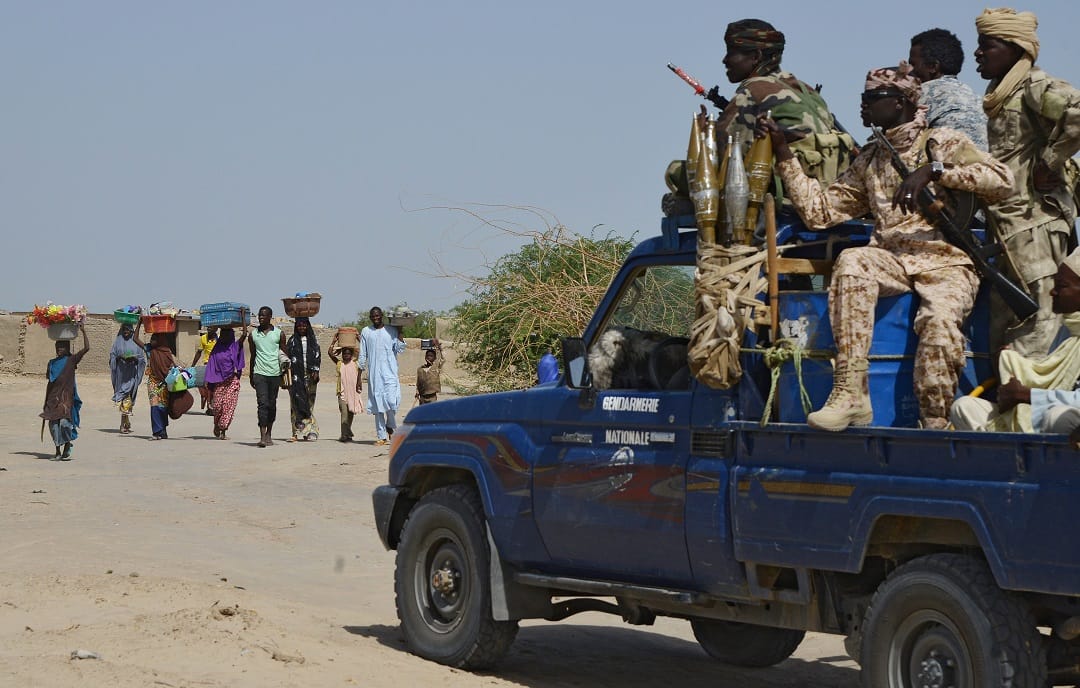
Boko Haram militants launched a lethal assault on a Chadian military outpost on Monday night, killing 23 soldiers. The attack occurred at approximately 10:00 p.m. local time on Barka Tolorom island within the volatile Lake Chad region.
Chadian armed forces confirmed on Tuesday the scale of the fatalities and noted that an additional 26 personnel sustained injuries during the confrontation. Military officials reported that the army eventually repelled the insurgents. Army spokesman Issakha Acheikh Chanane further claimed that “a significant number of sect members were neutralised” during the exchange of fire.
Presidential Condemnation and Vow of Eradication
President Mahamat Idriss Deby Itno addressed the nation via social media following the incident. He described the strike as a “cowardly attack” perpetrated by the “nebulous Boko Haram terrorist group.” The President extended his condolences to the families of the fallen soldiers. He emphasised a rigid stance against the insurgency moving forward. “We will continue the fight with renewed determination until this threat is completely eradicated,” Deby stated. This rhetoric follows his previous promises to eliminate the group’s presence within national borders.
Persistent Regional Instability and Insurgent Factions
The Lake Chad region remains a primary theatre for extremist activity spanning Nigeria, Cameroon, Chad, and Niger. Boko Haram and its rival splinter group, the ISIL-affiliated West Africa Province (ISWAP), utilise the area’s islands and marshes as strategic havens. Armed groups in this resource-rich zone frequently fund their operations by imposing forced taxes on local communities. According to United Nations data, Boko Haram has killed thousands and displaced millions over the past fifteen years. The recent surge in violence includes kidnappings and targeted strikes on advanced military positions along the lake’s shores.
Regional Security and the ECOWAS Imperative
The resurgence of violence in the Lake Chad Basin presents a direct challenge to the security architecture of West Africa and the Sahel. For observers in neighbouring hubs like Accra and Abuja, the inability to fully contain JAS factions and ISWAP splinter groups signals a persistent threat to regional trade and maritime stability. This latest breach emphasises the urgent need for revitalised intelligence sharing and military coordination among African Union member states. As extremists adapt their tactics to exploit porous borders, the stability of the entire sub-region depends on a unified response that transcends individual national efforts.
Security Challenges Amidst Economic Hardship
This latest bloodshed undermines previous claims regarding the elimination of militant sanctuaries. Following a major attack in October 2024 that killed 40 soldiers, President Deby personally led a counteroffensive. Although the military suggested last year that the group had no remaining foothold in Chad, the Barka Tolorom raid demonstrates a lingering operational capacity. Chad continues to grapple with recurring rebellions and internal coups. Despite possessing significant oil wealth, the nation remains among the poorest in Africa due to economic stagnation and a harsh climate. The persistence of such high-casualty raids underscores the difficulty of securing the porous borders of the Lake Chad Basin, even as N’Djamena positions itself as a critical Western ally in the regional war on terror.
DISCLAIMER: The Views, Comments, Opinions, Contributions and Statements made by Readers and Contributors on this platform do not necessarily represent the views or policy of Multimedia Group Limited.
DISCLAIMER: The Views, Comments, Opinions, Contributions and Statements made by Readers and Contributors on this platform do not necessarily represent the views or policy of Multimedia Group Limited.
Source link